
CONTACT US
SEARCH WHAT YOU WANT
As we move into 2026, the industrial cleaning sector is undergoing a fundamental shift from reactive maintenance to proactive, data-driven autonomy. Driven by persistent labor shortages and stringent ESG (Environmental, Social, and Governance) mandates, facility managers are no longer viewing cleaning as a background cost but as a critical operational efficiency metric. The integration of advanced robotics and the Internet of Things (IoT) has turned once-simple janitorial tools into sophisticated edge-computing nodes.
The primary driver of these 2026 industrial cleaning trends is the maturity of Artificial Intelligence (AI) in chaotic environments. Previously, automated scrubbers required highly controlled paths; however, today’s systems utilize advanced spatial intelligence to navigate dynamic warehouses and bustling transit hubs. This transition toward "Cognitive Cleaning" marks a new era where machines and human supervisors work in a seamless, digitized loop.
The current landscape is defined by the move from Automated Guided Vehicles (AGVs) to true Autonomous Mobile Robots (AMRs). While AGVs rely on fixed paths—often using magnets or wires—AMRs utilize SLAM (Simultaneous Localization and Mapping) to perceive their surroundings in real-time. This allows for higher machine utilization rates in high-traffic industrial zones where obstacles are unpredictable.
Key technical pillars of 2026 industrial cleaning trends include:
Sensor Fusion: The combination of LiDAR, 3D depth cameras, and ultrasonic sensors ensures 360-degree obstacle avoidance.
Edge AI Processing: On-board GPUs process navigational data locally, reducing latency and reliance on stable Wi-Fi.
Predictive Maintenance Analytics: Cleaning robots now report their own component health, alerting engineers before a belt or motor fails.
This technological leap ensures that cleanliness is no longer subjective. Instead, it is a measurable Key Performance Indicator (KPI) backed by digital heat maps and coverage reports.
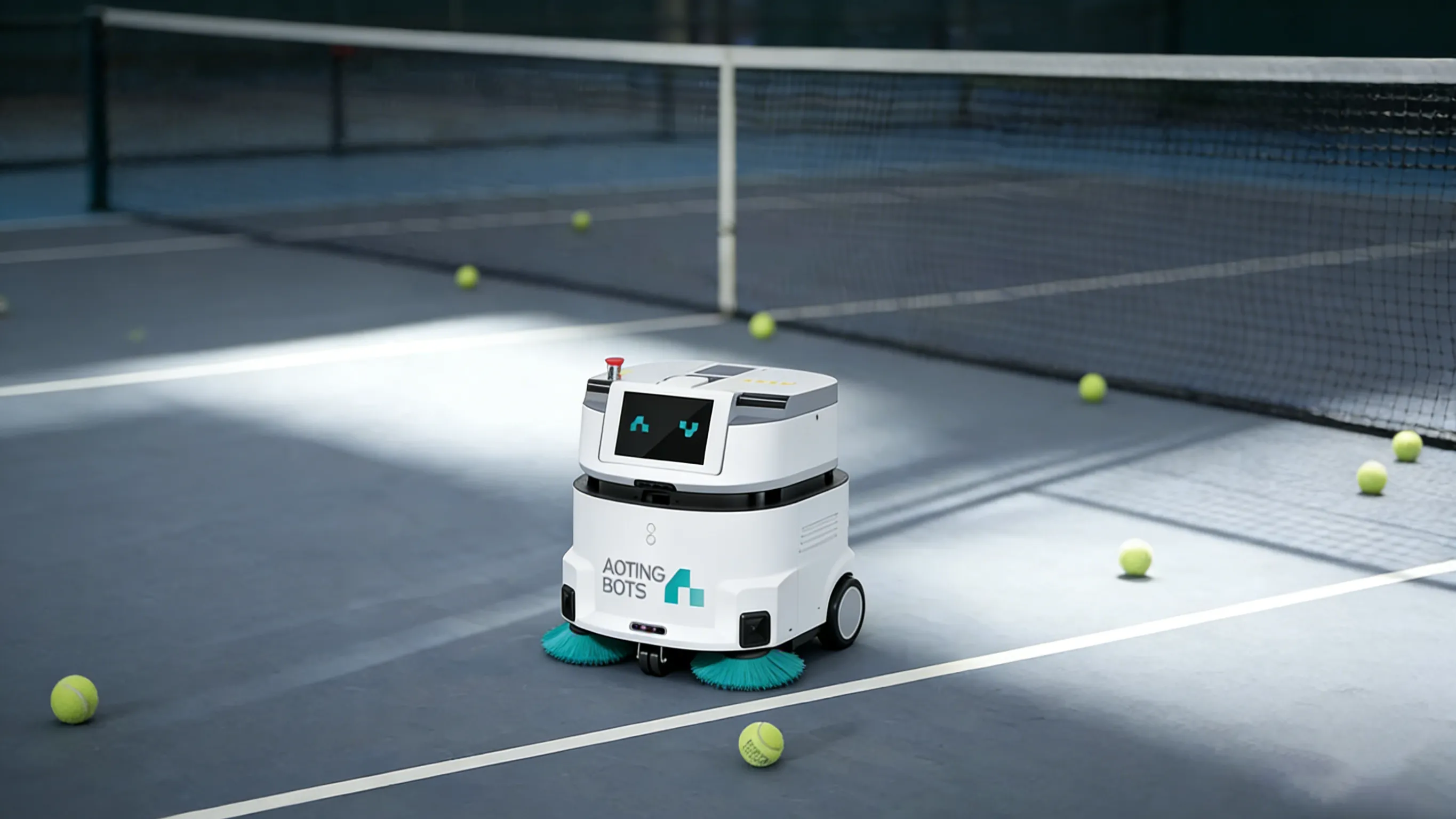
Sustainability is a cornerstone of modern industrial operations. In 2026, water conservation technology has moved from a luxury feature to a standard requirement for large-scale floor scrubbers. Advanced filtration systems now allow machines to recycle up to 70% of their wash water, significantly reducing both water consumption and the chemical runoff entering municipal sewage systems.
By implementing closed-loop filtration, industrial facilities can extend the runtime of their autonomous fleet. Fewer "dump and fill" cycles mean higher uptime and lower operational costs. Furthermore, the shift toward electrochemical activation—creating cleaning solutions on-site from water and salt—is reducing the industrial reliance on harsh, synthetic detergents.
One of the most significant industrial cleaning trends is the "connected facility." Modern cleaning robots are no longer isolated machines; they are fully integrated into the building’s ecosystem. Through standardized APIs, robots can now communicate with elevators to move between floors, trigger automatic doors, and signal security systems when they encounter unauthorized personnel during night shifts.
This level of SBC allows for "Demand-Based Cleaning." Sensors in a facility track foot traffic and spill incidents, automatically dispatching an autonomous unit to high-priority areas rather than following a rigid, time-based schedule. This optimization ensures that resources are focused exactly where they are needed most, reducing energy waste.
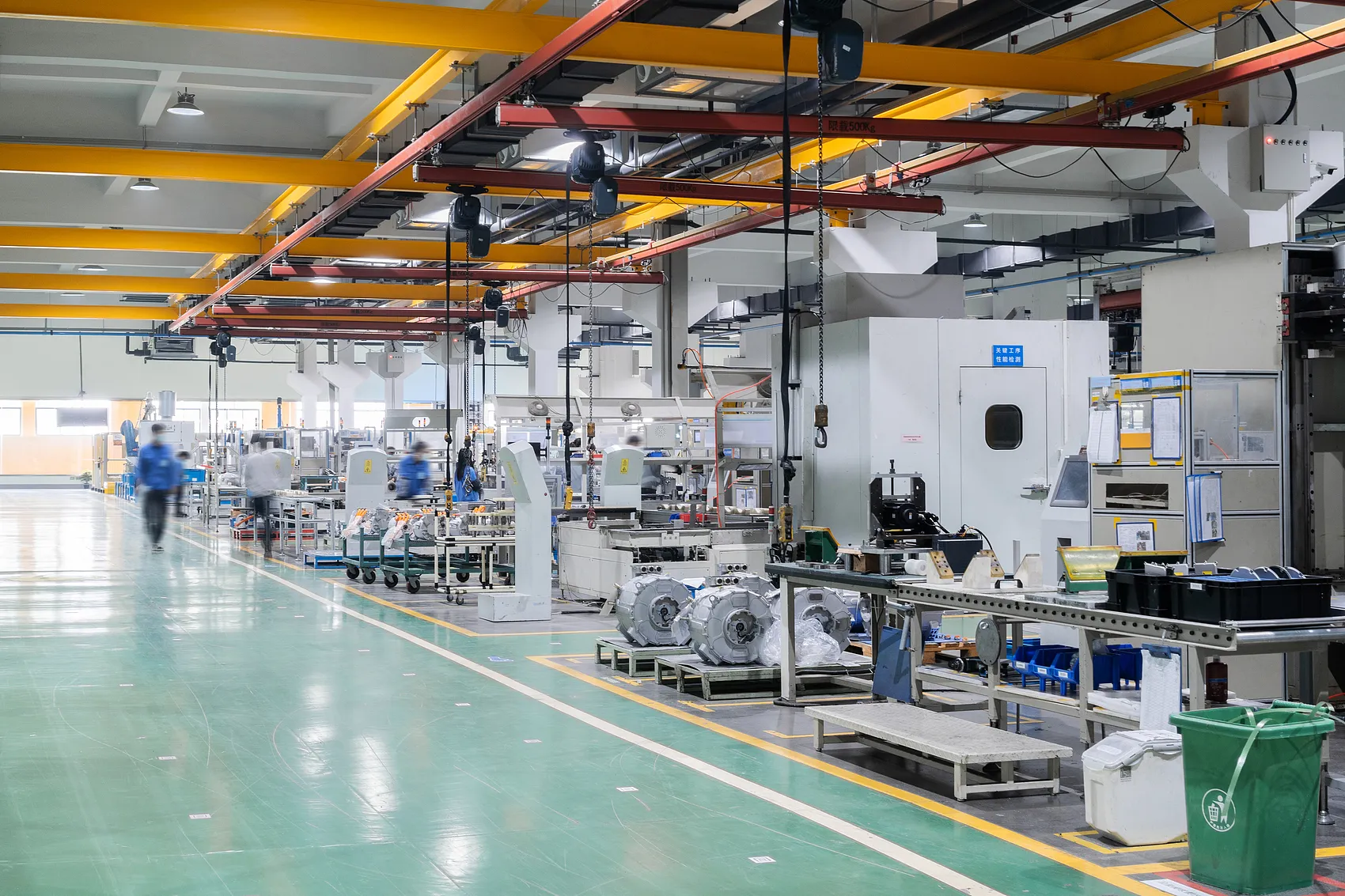
The "one-size-fits-all" approach to industrial cleaning is obsolete. In 2026, we see a surge in application-specific robots tailored for diverse environments. From sterile medical cleanrooms to heavy-duty logistics centers, the hardware must adapt to the surface type and environmental constraints.
According to technical benchmarks in industrial cleaning solutions, current trends favor modular chassis designs. These allow for the quick exchange of scrubbing brushes, sweeping rollers, or disinfection nozzles. In pharmaceutical environments, for example, robots are now equipped with certified HEPA filtration and UV-C light modules to maintain air and surface purity simultaneously.
In logistics and warehousing, the trend is toward "High-Payload Sweeping." These robots are engineered to handle industrial debris—such as wood splinters and metal shavings—without compromising their navigational precision. By offloading these repetitive, high-strain tasks to AMRs, facility managers can reallocate human labor to more complex maintenance roles, improving overall staff retention.
How do industrial cleaning trends in 2026 impact labor costs?
While the initial investment in autonomous technology is higher than manual tools, the long-term ROI is found in labor reallocation. By automating 80% of floor care, facilities can reduce their janitorial turnover and refocus staff on deep-cleaning and technical maintenance tasks.
What is SLAM navigation in industrial robots?
SLAM stands for Simultaneous Localization and Mapping. It is the technology that allows a robot to build a map of an unknown environment while simultaneously keeping track of its location within that space, enabling dynamic obstacle avoidance.
Are 2026 cleaning robots safe for high-traffic environments?
Yes. Modern AMRs use multi-sensor fusion, including 3D cameras and LiDAR, to detect and respond to moving objects faster than a human operator. They are designed with redundant safety stops and speed governors for use around people and machinery.
Can autonomous cleaning robots work without Wi-Fi?
Most 2026-era AMRs can perform their cleaning tasks offline using on-board SLAM data. However, a cloud connection (Wi-Fi or 4G/5G) is typically required for remote reporting, software updates, and fleet synchronization.
What is Demand-Based Cleaning?
This is a trend where cleaning tasks are triggered by real-world data, such as a spill sensor or a high-traffic alert from a building management system, rather than a fixed daily schedule.
ISO 13482:2014: Safety requirements for personal care and service robots.
IEEE Robotics & Automation Society: Whitepapers on SLAM maturity in industrial spaces.
International Federation of Robotics (IFR): World Robotics Report 2025/2026 - Service Robots.
AotingBot Solutions: Technical Specs for Autonomous Industrial Cleaning AMRs.
SGS Certification: Environmental and water-recycling standards for industrial scrubbers.
As we move into 2026, the industrial cleaning sector is undergoing a fundamental shift from reactive maintenance to proactive, data-driven autonomy. Driven by persistent labor shortages and stringent ESG (Environmental, Social, and Governance) mandates, facility managers are no longer viewing cleaning as a background cost but as a critical operational efficiency metric. The integration of advanced robotics and the Internet of Things (IoT) has turned once-simple janitorial tools into sophisticated edge-computing nodes.
The primary driver of these 2026 industrial cleaning trends is the maturity of Artificial Intelligence (AI) in chaotic environments. Previously, automated scrubbers required highly controlled paths; however, today’s systems utilize advanced spatial intelligence to navigate dynamic warehouses and bustling transit hubs. This transition toward "Cognitive Cleaning" marks a new era where machines and human supervisors work in a seamless, digitized loop.
The current landscape is defined by the move from Automated Guided Vehicles (AGVs) to true Autonomous Mobile Robots (AMRs). While AGVs rely on fixed paths—often using magnets or wires—AMRs utilize SLAM (Simultaneous Localization and Mapping) to perceive their surroundings in real-time. This allows for higher machine utilization rates in high-traffic industrial zones where obstacles are unpredictable.
Key technical pillars of 2026 industrial cleaning trends include:
Sensor Fusion: The combination of LiDAR, 3D depth cameras, and ultrasonic sensors ensures 360-degree obstacle avoidance.
Edge AI Processing: On-board GPUs process navigational data locally, reducing latency and reliance on stable Wi-Fi.
Predictive Maintenance Analytics: Cleaning robots now report their own component health, alerting engineers before a belt or motor fails.
This technological leap ensures that cleanliness is no longer subjective. Instead, it is a measurable Key Performance Indicator (KPI) backed by digital heat maps and coverage reports.
Sustainability is a cornerstone of modern industrial operations. In 2026, water conservation technology has moved from a luxury feature to a standard requirement for large-scale floor scrubbers. Advanced filtration systems now allow machines to recycle up to 70% of their wash water, significantly reducing both water consumption and the chemical runoff entering municipal sewage systems.
By implementing closed-loop filtration, industrial facilities can extend the runtime of their autonomous fleet. Fewer "dump and fill" cycles mean higher uptime and lower operational costs. Furthermore, the shift toward electrochemical activation—creating cleaning solutions on-site from water and salt—is reducing the industrial reliance on harsh, synthetic detergents.
One of the most significant industrial cleaning trends is the "connected facility." Modern cleaning robots are no longer isolated machines; they are fully integrated into the building’s ecosystem. Through standardized APIs, robots can now communicate with elevators to move between floors, trigger automatic doors, and signal security systems when they encounter unauthorized personnel during night shifts.
This level of SBC allows for "Demand-Based Cleaning." Sensors in a facility track foot traffic and spill incidents, automatically dispatching an autonomous unit to high-priority areas rather than following a rigid, time-based schedule. This optimization ensures that resources are focused exactly where they are needed most, reducing energy waste.
The "one-size-fits-all" approach to industrial cleaning is obsolete. In 2026, we see a surge in application-specific robots tailored for diverse environments. From sterile medical cleanrooms to heavy-duty logistics centers, the hardware must adapt to the surface type and environmental constraints.
According to technical benchmarks in industrial cleaning solutions, current trends favor modular chassis designs. These allow for the quick exchange of scrubbing brushes, sweeping rollers, or disinfection nozzles. In pharmaceutical environments, for example, robots are now equipped with certified HEPA filtration and UV-C light modules to maintain air and surface purity simultaneously.
In logistics and warehousing, the trend is toward "High-Payload Sweeping." These robots are engineered to handle industrial debris—such as wood splinters and metal shavings—without compromising their navigational precision. By offloading these repetitive, high-strain tasks to AMRs, facility managers can reallocate human labor to more complex maintenance roles, improving overall staff retention.
How do industrial cleaning trends in 2026 impact labor costs?
While the initial investment in autonomous technology is higher than manual tools, the long-term ROI is found in labor reallocation. By automating 80% of floor care, facilities can reduce their janitorial turnover and refocus staff on deep-cleaning and technical maintenance tasks.
What is SLAM navigation in industrial robots?
SLAM stands for Simultaneous Localization and Mapping. It is the technology that allows a robot to build a map of an unknown environment while simultaneously keeping track of its location within that space, enabling dynamic obstacle avoidance.
Are 2026 cleaning robots safe for high-traffic environments?
Yes. Modern AMRs use multi-sensor fusion, including 3D cameras and LiDAR, to detect and respond to moving objects faster than a human operator. They are designed with redundant safety stops and speed governors for use around people and machinery.
Can autonomous cleaning robots work without Wi-Fi?
Most 2026-era AMRs can perform their cleaning tasks offline using on-board SLAM data. However, a cloud connection (Wi-Fi or 4G/5G) is typically required for remote reporting, software updates, and fleet synchronization.
What is Demand-Based Cleaning?
This is a trend where cleaning tasks are triggered by real-world data, such as a spill sensor or a high-traffic alert from a building management system, rather than a fixed daily schedule.
ISO 13482:2014: Safety requirements for personal care and service robots.
IEEE Robotics & Automation Society: Whitepapers on SLAM maturity in industrial spaces.
International Federation of Robotics (IFR): World Robotics Report 2025/2026 - Service Robots.
AotingBot Solutions: Technical Specs for Autonomous Industrial Cleaning AMRs.
SGS Certification: Environmental and water-recycling standards for industrial scrubbers.
CONTACT US
we aim to become a global leader in manufacturer space service robotics and artificial intelligence.


