
CONTACT US
SEARCH WHAT YOU WANT
Industrial facilities are hard environments for floor-cleaning equipment. The floor may be uneven, debris varies by shift, and cleaning routes compete with pallets, forklifts, and production staff. An industrial cleaning robot supplier should therefore be judged as an implementation partner, not simply a machine seller.
A distribution centre and an automotive workshop may both describe their premises as industrial, but their cleaning needs are different. List floor construction, expansion joints, local slopes, loading points, oily residues, abrasive dust and the hours when routes can be closed. Note whether there are combustible dusts, hazardous residues or other substances that require specialist handling; an ordinary commercial robot should not be assumed suitable for those tasks.
Provide the supplier with a site sketch showing the narrowest doors, fixed equipment and major traffic paths. Ask which conditions are outside the recommended operating environment. A useful supplier will explain constraints early rather than agree to every request.
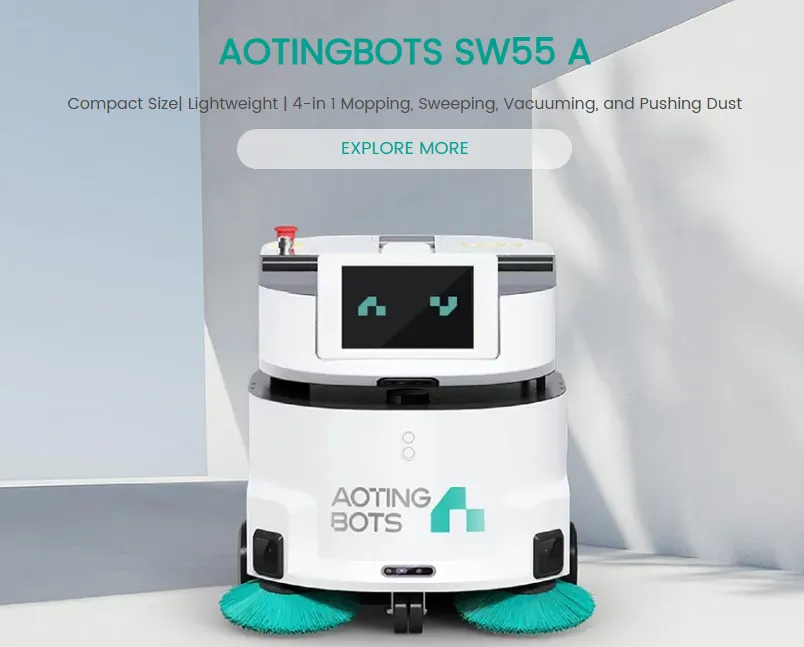
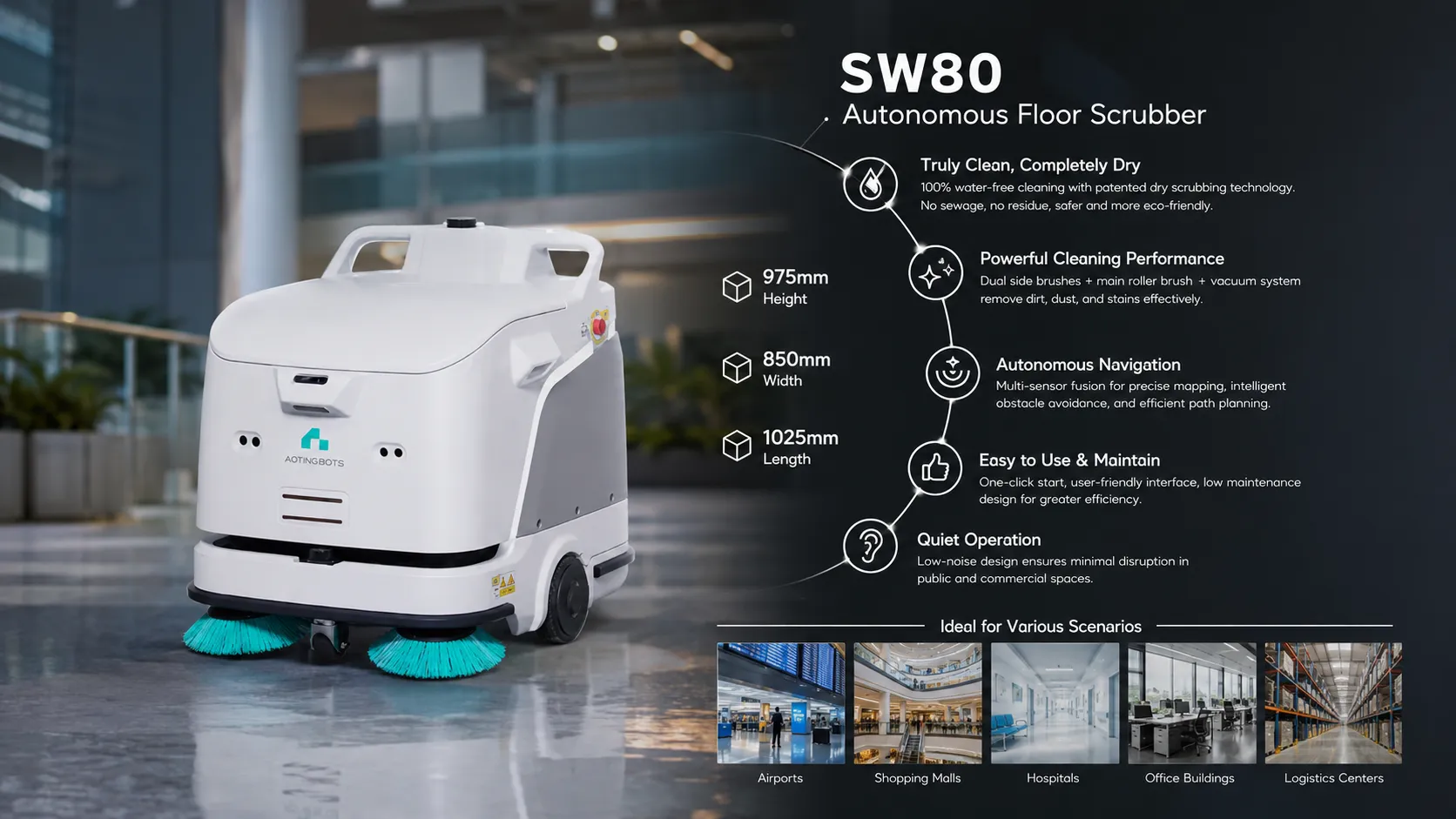
Look at the combination of cleaning method, path width, navigation, battery capacity and debris handling. The SW80 A waterless cleaning robot is positioned by AotingBots for larger commercial and industrial spaces and has a published 850 mm cleaning path. The SW55 A is more compact and may be easier to assess where passages are tighter. The final choice depends on measurable clearances and the type of debris encountered.
Request a trial that includes changes in traffic. A machine may navigate an empty aisle well yet pause repeatedly when forklifts cross its route. Record both cleaning quality and interruptions; a productive robot that requires constant rescue is not a productive system.
Commissioning should specify who creates maps, who approves restricted zones, where the charger is installed and who trains shift supervisors. The supplier needs a process for updating maps after production layouts change. The site must also establish pedestrian and vehicle rules for shared spaces.
In US workplaces, OSHA's walking-working-surface requirements address floor condition and routine inspection. They do not certify a cleaning robot; they are useful context for planning how automated cleaning fits into existing workplace controls. Ask the supplier for safety documentation appropriate to the equipment and jurisdiction.
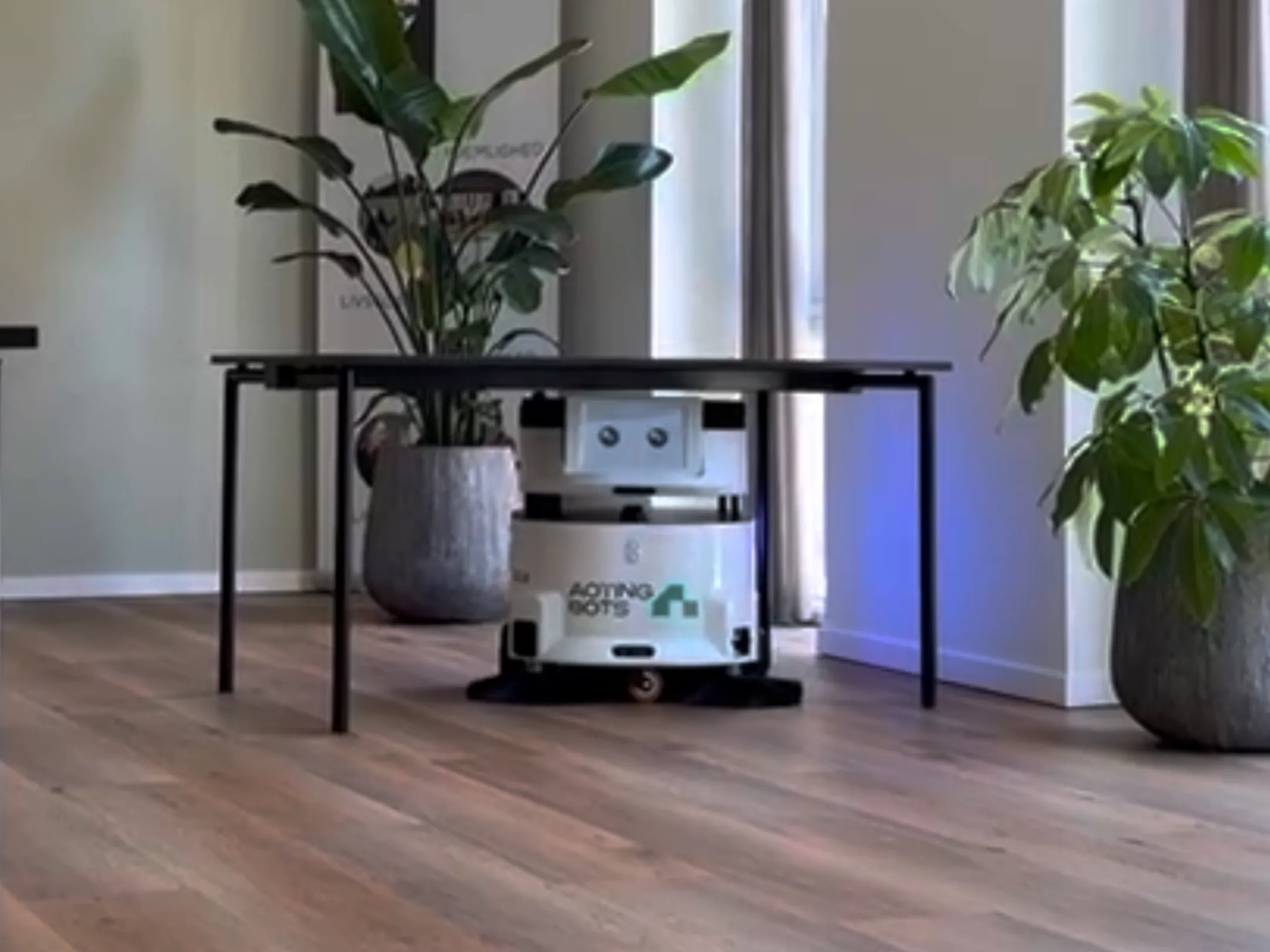
A reliable industrial robot supplier can explain its support route in plain language. Who takes the first call? Is remote troubleshooting available? Are batteries, drive components, sensors, brushes, and dust bags stocked locally? Who pays for shipping during the warranty? Ask for training notes and maintenance schedules before the purchase order, not afterwards.
For multi-site rollouts, obtain an agreed method for handling software updates. The same model may perform differently when sites use different map versions or settings. A documented version history and a site-level change log reduce troubleshooting time.
Send every supplier the same site brief. Require a quotation split into equipment, deployment, integrations, accessories, replacement consumables and continuing support. A cheaper robot that needs frequent manual intervention may be more expensive to operate, while a larger unit can be a poor fit for narrow work areas. Use an on-site test to challenge both assumptions.
The best result is a plan with named responsibilities: equipment supplier, local service partner and facility operator. For related industrial deployment questions, AotingBots' factory cleaning automation guide offers a complementary operational perspective.
Consider a plant with a clean assembly corridor and a nearby workshop where metal fragments and oily residues occur. The assembly corridor may be an appropriate candidate for routine dry debris removal. The workshop may require separate approved cleaning methods and a different risk assessment. A supplier who proposes a single deployment without identifying that distinction has not yet demonstrated sufficient understanding of the site. Ask them to classify the zones, state where the proposed robot should not operate, and explain how manual teams will handle excluded areas.
It may be possible in designated zones, but safety, route timing, and obstacle response need assessment under representative traffic. Do not rely on a showroom obstacle demonstration alone.
A successful site pilot plus a written post-sale support agreement is more persuasive than either price or technical specifications alone.
Supplier selection should end with realistic operating limits, measurable acceptance criteria, and an agreed service plan. These are the details that keep automation useful after the first week.
Industrial facilities are hard environments for floor-cleaning equipment. The floor may be uneven, debris varies by shift, and cleaning routes compete with pallets, forklifts, and production staff. An industrial cleaning robot supplier should therefore be judged as an implementation partner, not simply a machine seller.
A distribution centre and an automotive workshop may both describe their premises as industrial, but their cleaning needs are different. List floor construction, expansion joints, local slopes, loading points, oily residues, abrasive dust and the hours when routes can be closed. Note whether there are combustible dusts, hazardous residues or other substances that require specialist handling; an ordinary commercial robot should not be assumed suitable for those tasks.
Provide the supplier with a site sketch showing the narrowest doors, fixed equipment and major traffic paths. Ask which conditions are outside the recommended operating environment. A useful supplier will explain constraints early rather than agree to every request.
Look at the combination of cleaning method, path width, navigation, battery capacity and debris handling. The SW80 A waterless cleaning robot is positioned by AotingBots for larger commercial and industrial spaces and has a published 850 mm cleaning path. The SW55 A is more compact and may be easier to assess where passages are tighter. The final choice depends on measurable clearances and the type of debris encountered.
Request a trial that includes changes in traffic. A machine may navigate an empty aisle well yet pause repeatedly when forklifts cross its route. Record both cleaning quality and interruptions; a productive robot that requires constant rescue is not a productive system.
Commissioning should specify who creates maps, who approves restricted zones, where the charger is installed and who trains shift supervisors. The supplier needs a process for updating maps after production layouts change. The site must also establish pedestrian and vehicle rules for shared spaces.
In US workplaces, OSHA's walking-working-surface requirements address floor condition and routine inspection. They do not certify a cleaning robot; they are useful context for planning how automated cleaning fits into existing workplace controls. Ask the supplier for safety documentation appropriate to the equipment and jurisdiction.
A reliable industrial robot supplier can explain its support route in plain language. Who takes the first call? Is remote troubleshooting available? Are batteries, drive components, sensors, brushes, and dust bags stocked locally? Who pays for shipping during the warranty? Ask for training notes and maintenance schedules before the purchase order, not afterwards.
For multi-site rollouts, obtain an agreed method for handling software updates. The same model may perform differently when sites use different map versions or settings. A documented version history and a site-level change log reduce troubleshooting time.
Send every supplier the same site brief. Require a quotation split into equipment, deployment, integrations, accessories, replacement consumables and continuing support. A cheaper robot that needs frequent manual intervention may be more expensive to operate, while a larger unit can be a poor fit for narrow work areas. Use an on-site test to challenge both assumptions.
The best result is a plan with named responsibilities: equipment supplier, local service partner and facility operator. For related industrial deployment questions, AotingBots' factory cleaning automation guide offers a complementary operational perspective.
Consider a plant with a clean assembly corridor and a nearby workshop where metal fragments and oily residues occur. The assembly corridor may be an appropriate candidate for routine dry debris removal. The workshop may require separate approved cleaning methods and a different risk assessment. A supplier who proposes a single deployment without identifying that distinction has not yet demonstrated sufficient understanding of the site. Ask them to classify the zones, state where the proposed robot should not operate, and explain how manual teams will handle excluded areas.
It may be possible in designated zones, but safety, route timing, and obstacle response need assessment under representative traffic. Do not rely on a showroom obstacle demonstration alone.
A successful site pilot plus a written post-sale support agreement is more persuasive than either price or technical specifications alone.
Supplier selection should end with realistic operating limits, measurable acceptance criteria, and an agreed service plan. These are the details that keep automation useful after the first week.
CONTACT US
we aim to become a global leader in manufacturer space service robotics and artificial intelligence.


