
CONTACT US
SEARCH WHAT YOU WANT
When budgeting for warehouse cleaning automation cost, procurement teams and facility managers should evaluate multiple cost drivers beyond the upfront purchase. The true financial picture depends on equipment selection, how you redeploy or reduce labor, ongoing maintenance and consumables, facility size and cleaning frequency, and the utilization rate of the automated system.
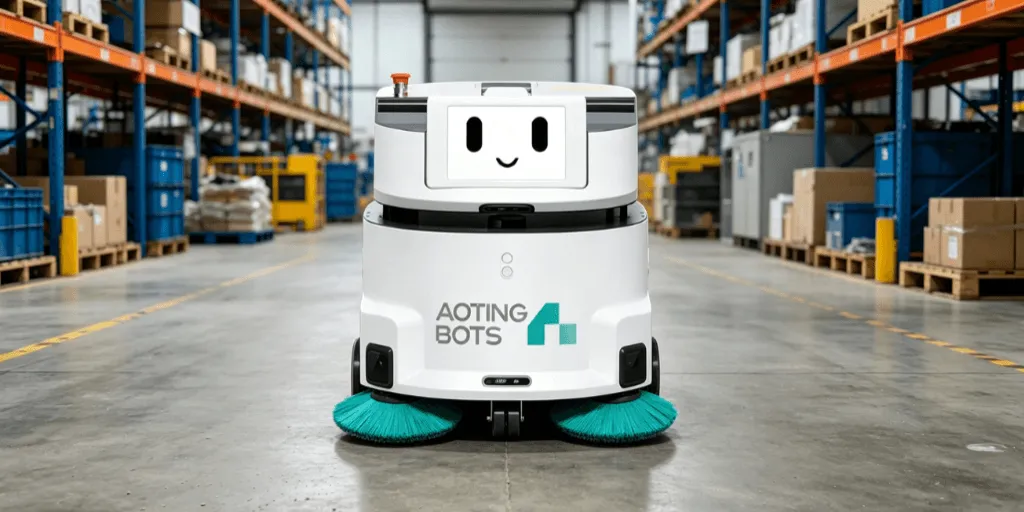
There is no single number for warehouse cleaning robot cost. Factors that commonly change the estimate include your floor types, square footage, planned cleaning frequency, integration with existing operations, and whether a solution will be used full- or part-time. Ask the supplier for site-specific guidance and confirm which tasks you expect the machine to perform so you can compare like-for-like quotes.
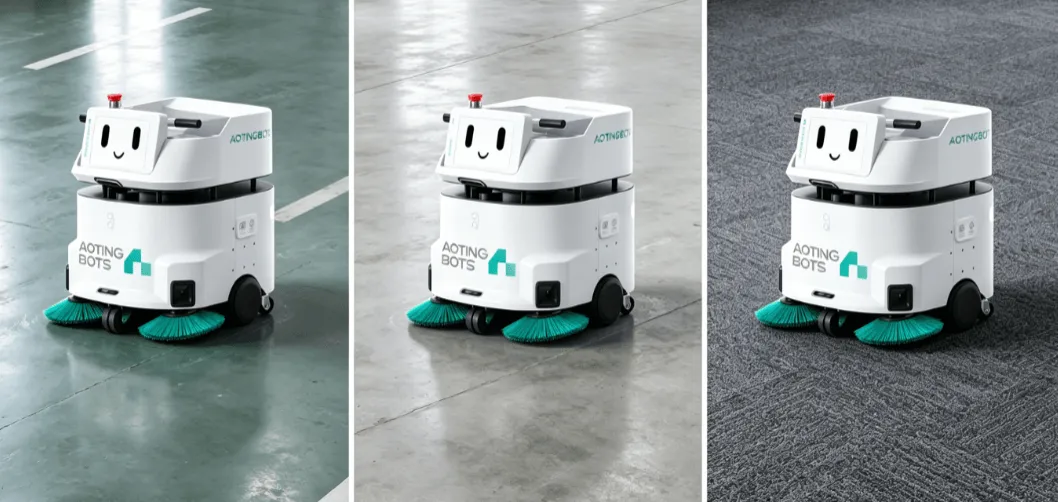
Equipment selection is often the largest single input to autonomous cleaning robot cost. Different models target different environments and cleaning tasks. For example, AotingBots presents models for various commercial and industrial needs: the SW55 A—positioned for commercial environments and integrating scrubbing, sweeping, vacuuming and dust mopping—and the SW80 A, positioned for commercial and industrial environments and suitable for carpet, hard and wooden floors. Review model positioning and task coverage, then evaluate whether a single robot or a mixed fleet best matches your sites.
Warehouse cleaning automation cost must account for what you do with labor hours saved. Compare current warehouse cleaning labor cost against the cost of operating and maintaining automation. Savings may come from redeploying staff to higher-value tasks rather than pure headcount reduction. Ask the supplier to help model scenarios (redeployment, part-time oversight, or periodic manual interventions) and confirm assumptions about supervision or reporting time.
Ongoing maintenance and consumables are recurring line items in autonomous cleaning robot cost. Typical categories to budget for include routine checks, replacement wear items, consumables (pads, brushes, filters), and potential downtime. Request from vendors a list of recommended consumables and a maintenance cadence so you can estimate annual costs. Evaluate spare-part lead times and service options to better understand risk and potential impact on operations.
Square footage, floor mix and how often you need cleaning drive utilization and therefore effective cost. High-frequency cleaning or multi-shift facilities may justify a larger or more capable robot fleet; lower frequency or smaller sites may be well served by a single commercial model. Confirm with the supplier the recommended runtime and shift patterns for each model and use that to project annual operating hours and utilization rates.
To move from isolated figures to a total cost of ownership (TCO) and payback estimate, combine these inputs: capital costs, expected operational and maintenance spend, consumable usage, and the value of labor redeployed or reduced. Because published product positioning and capabilities are a starting point, ask suppliers for examples or templates that map site parameters (size, frequency, floor type) to expected utilization and service needs.
· Confirm which floor types and tasks the robot covers; match to site requirements.
· Request multiple total-cost scenarios (purchase vs lease, single unit vs fleet).
· Ask suppliers to model labor redeployment and supervision time.
· Obtain a consumables and maintenance schedule with estimated annual costs.
· Verify spare-part lead times and local service options.
· Ask for references or case examples appropriate to your sector; see factory applications for context.
For product-level details and available models, review the manufacturer product overview and model pages to align capabilities with your needs: product category, SW55 A and SW80 A. For site-specific examples and deployment context, check relevant case materials or the vendor news and updates.
Evaluate your present spend on cleaning labor (wages, benefits, supervision) and the hours dedicated to floor care. Then model scenarios where automation reduces or reallocates those hours. Ask the supplier to help produce a comparable annual cost projection that includes maintenance and consumables so you can compare like-for-like.
Budget for consumables (pads, brushes, filters), scheduled maintenance, potential repairs, and any software or connectivity charges. Also include administrative time for monitoring or supervising automated cleaning and contingency for downtime. Ask the supplier for a typical maintenance cadence and consumable list tailored to your model choice.
That depends on model positioning and your utilization plan. Some models are positioned for commercial environments and focus on multiple light-duty tasks; others are positioned for commercial and industrial applications and are suitable for a wider range of surfaces. Confirm with the supplier which model best matches your shift patterns and floor mix, and request recommendations on fleet size if you expect high utilization.
If you’d like, provide facility square footage, floor types and current cleaning frequency and I can outline the key questions to include in an RFQ to help you collect comparable supplier proposals.
When budgeting for warehouse cleaning automation cost, procurement teams and facility managers should evaluate multiple cost drivers beyond the upfront purchase. The true financial picture depends on equipment selection, how you redeploy or reduce labor, ongoing maintenance and consumables, facility size and cleaning frequency, and the utilization rate of the automated system.
There is no single number for warehouse cleaning robot cost. Factors that commonly change the estimate include your floor types, square footage, planned cleaning frequency, integration with existing operations, and whether a solution will be used full- or part-time. Ask the supplier for site-specific guidance and confirm which tasks you expect the machine to perform so you can compare like-for-like quotes.
Equipment selection is often the largest single input to autonomous cleaning robot cost. Different models target different environments and cleaning tasks. For example, AotingBots presents models for various commercial and industrial needs: the SW55 A—positioned for commercial environments and integrating scrubbing, sweeping, vacuuming and dust mopping—and the SW80 A, positioned for commercial and industrial environments and suitable for carpet, hard and wooden floors. Review model positioning and task coverage, then evaluate whether a single robot or a mixed fleet best matches your sites.
Warehouse cleaning automation cost must account for what you do with labor hours saved. Compare current warehouse cleaning labor cost against the cost of operating and maintaining automation. Savings may come from redeploying staff to higher-value tasks rather than pure headcount reduction. Ask the supplier to help model scenarios (redeployment, part-time oversight, or periodic manual interventions) and confirm assumptions about supervision or reporting time.
Ongoing maintenance and consumables are recurring line items in autonomous cleaning robot cost. Typical categories to budget for include routine checks, replacement wear items, consumables (pads, brushes, filters), and potential downtime. Request from vendors a list of recommended consumables and a maintenance cadence so you can estimate annual costs. Evaluate spare-part lead times and service options to better understand risk and potential impact on operations.
Square footage, floor mix and how often you need cleaning drive utilization and therefore effective cost. High-frequency cleaning or multi-shift facilities may justify a larger or more capable robot fleet; lower frequency or smaller sites may be well served by a single commercial model. Confirm with the supplier the recommended runtime and shift patterns for each model and use that to project annual operating hours and utilization rates.
To move from isolated figures to a total cost of ownership (TCO) and payback estimate, combine these inputs: capital costs, expected operational and maintenance spend, consumable usage, and the value of labor redeployed or reduced. Because published product positioning and capabilities are a starting point, ask suppliers for examples or templates that map site parameters (size, frequency, floor type) to expected utilization and service needs.
· Confirm which floor types and tasks the robot covers; match to site requirements.
· Request multiple total-cost scenarios (purchase vs lease, single unit vs fleet).
· Ask suppliers to model labor redeployment and supervision time.
· Obtain a consumables and maintenance schedule with estimated annual costs.
· Verify spare-part lead times and local service options.
· Ask for references or case examples appropriate to your sector; see factory applications for context.
For product-level details and available models, review the manufacturer product overview and model pages to align capabilities with your needs: product category, SW55 A and SW80 A. For site-specific examples and deployment context, check relevant case materials or the vendor news and updates.
Evaluate your present spend on cleaning labor (wages, benefits, supervision) and the hours dedicated to floor care. Then model scenarios where automation reduces or reallocates those hours. Ask the supplier to help produce a comparable annual cost projection that includes maintenance and consumables so you can compare like-for-like.
Budget for consumables (pads, brushes, filters), scheduled maintenance, potential repairs, and any software or connectivity charges. Also include administrative time for monitoring or supervising automated cleaning and contingency for downtime. Ask the supplier for a typical maintenance cadence and consumable list tailored to your model choice.
That depends on model positioning and your utilization plan. Some models are positioned for commercial environments and focus on multiple light-duty tasks; others are positioned for commercial and industrial applications and are suitable for a wider range of surfaces. Confirm with the supplier which model best matches your shift patterns and floor mix, and request recommendations on fleet size if you expect high utilization.
If you’d like, provide facility square footage, floor types and current cleaning frequency and I can outline the key questions to include in an RFQ to help you collect comparable supplier proposals.
CONTACT US
we aim to become a global leader in manufacturer space service robotics and artificial intelligence.


