
CONTACT US
SEARCH WHAT YOU WANT
A waterless cleaning robot is an automated machine designed to clean floors and surfaces without applying liquid water as a primary cleaning medium. On AotingBots’ homepage you will find two waterless models — the SW55 A and the SW80 A — presented as waterless cleaning robots for commercial and industrial settings. This article defines the concept, explains how waterless approaches differ from traditional wet cleaning, outlines typical floor uses, and lists practical limitations and evaluation questions for facilities teams.
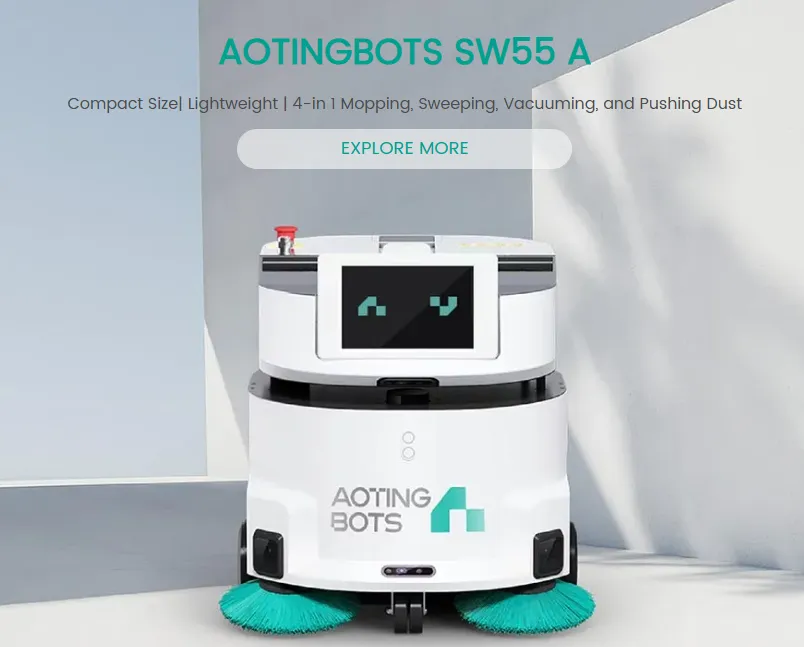
At its simplest, waterless cleaning technology focuses on removing soils, dust and debris without relying on standing water or mopping with a liquid solution. These systems commonly rely on mechanical actions — such as sweeping, brushing, scrubbing and vacuuming — plus materials and consumables designed to capture particulate soils. When evaluating options, ask the supplier how their system performs on the specific soils and traffic patterns in your facility, and confirm whether any supplemental liquid cleaning is ever recommended for particular stains or sanitization needs.
Traditional wet cleaning typically uses water and cleaning solutions applied to the floor, followed by a process of rinsing and drying. Waterless cleaning robots aim to reduce or eliminate the need for those liquids by relying on dry mechanical collection and targeted agitation of soils. Potential operational differences facility teams should consider include:
· Surface moisture: waterless approaches generally produce less surface moisture than mopping; confirm with the supplier whether residues or dampness may occur on certain floor finishes.
· Drying time and slip risk: reduced moisture can shorten floor drying time, but always evaluate site-specific slip-risk policies and local safety standards.
· Consumables and waste handling: rather than wastewater, waterless systems will collect debris in dustbins or filters that require emptying and safe disposal.
· Complementary cleaning: some facilities combine waterless robots for routine cleaning with periodic wet-cleaning or spot treatments; discuss recommended cleaning schedules with vendors.
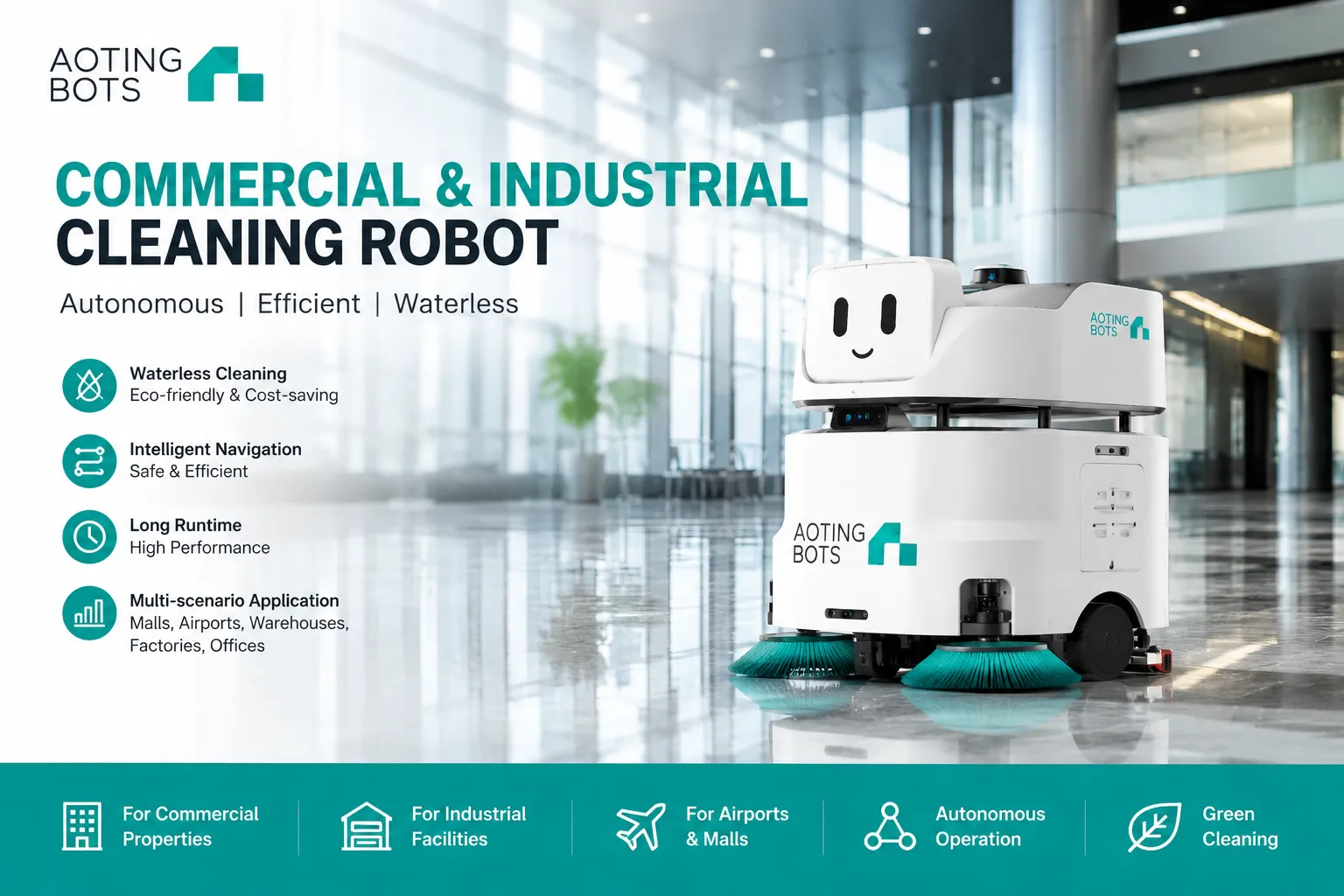
Waterless floor cleaning solutions typically combine mechanical actions adapted to floor types. For example, the SW55 A is presented as a model that integrates scrubbing, sweeping, vacuuming and dust mopping and is positioned for commercial environments. The SW80 A is presented as a model positioned for commercial and industrial environments and is described as suitable for carpet, hard and wooden floors. For more model options and configurations, review the product category page or consult product detail pages linked below to confirm the right fit for your facilities.
Relevant product pages:
· SW55 A product page
· SW80 A product page
· View other AotingBots products
Waterless cleaning robots are often used in commercial spaces such as retail, offices and hospitality areas, and certain industrial settings where dry soil and dust control are primary concerns. According to the model positioning described on the AotingBots site, the SW55 A is aimed at commercial environments while the SW80 A is positioned for both commercial and industrial environments and called out as suitable for carpet, hard and wooden floors. When considering deployment, evaluate the specific floor materials, finishes and thresholds in your facility and ask the supplier for guidance on long-term effects on floor coatings.
Waterless cleaning robots can be effective for routine removal of dry soils, dust and loose debris, but they have limitations. Heavy soiling, sticky spills, stains that require emulsification, or tasks requiring sanitizing with disinfectants may still need manual or wet processes. Ask the supplier for documented use cases or demonstration opportunities and confirm whether the vendor recommends combining waterless robots with periodic wet cleaning to meet your hygiene and appearance standards.
A: Not always. Waterless robots are intended primarily for routine dry soil control. For deep cleaning, stain removal or certain hygiene requirements, facilities may still need periodic wet cleaning or spot treatment. Evaluate your cleaning objectives and ask the supplier how they recommend integrating waterless robots into an overall cleaning program.
A: Some models are positioned for multiple floor types. The SW80 A is presented as suitable for carpet, hard and wooden floors and is positioned for commercial and industrial environments. Confirm with the supplier whether specific carpet constructions or wood finishes need different settings or pre-treatment.
A: Key questions include floor compatibility, expected consumables and maintenance, handling of collected waste, safety and slip-risk policies, integration with existing workflows, and demo availability. Request on-site trials or references and confirm service, spare parts and training options before procurement.
For product details and to explore AotingBots’ waterless models, review the SW55 A and SW80 A product pages and the broader product catalog to align model selection with your facility’s needs.
A waterless cleaning robot is an automated machine designed to clean floors and surfaces without applying liquid water as a primary cleaning medium. On AotingBots’ homepage you will find two waterless models — the SW55 A and the SW80 A — presented as waterless cleaning robots for commercial and industrial settings. This article defines the concept, explains how waterless approaches differ from traditional wet cleaning, outlines typical floor uses, and lists practical limitations and evaluation questions for facilities teams.
At its simplest, waterless cleaning technology focuses on removing soils, dust and debris without relying on standing water or mopping with a liquid solution. These systems commonly rely on mechanical actions — such as sweeping, brushing, scrubbing and vacuuming — plus materials and consumables designed to capture particulate soils. When evaluating options, ask the supplier how their system performs on the specific soils and traffic patterns in your facility, and confirm whether any supplemental liquid cleaning is ever recommended for particular stains or sanitization needs.
Traditional wet cleaning typically uses water and cleaning solutions applied to the floor, followed by a process of rinsing and drying. Waterless cleaning robots aim to reduce or eliminate the need for those liquids by relying on dry mechanical collection and targeted agitation of soils. Potential operational differences facility teams should consider include:
· Surface moisture: waterless approaches generally produce less surface moisture than mopping; confirm with the supplier whether residues or dampness may occur on certain floor finishes.
· Drying time and slip risk: reduced moisture can shorten floor drying time, but always evaluate site-specific slip-risk policies and local safety standards.
· Consumables and waste handling: rather than wastewater, waterless systems will collect debris in dustbins or filters that require emptying and safe disposal.
· Complementary cleaning: some facilities combine waterless robots for routine cleaning with periodic wet-cleaning or spot treatments; discuss recommended cleaning schedules with vendors.
Waterless floor cleaning solutions typically combine mechanical actions adapted to floor types. For example, the SW55 A is presented as a model that integrates scrubbing, sweeping, vacuuming and dust mopping and is positioned for commercial environments. The SW80 A is presented as a model positioned for commercial and industrial environments and is described as suitable for carpet, hard and wooden floors. For more model options and configurations, review the product category page or consult product detail pages linked below to confirm the right fit for your facilities.
Relevant product pages:
· SW55 A product page
· SW80 A product page
· View other AotingBots products
Waterless cleaning robots are often used in commercial spaces such as retail, offices and hospitality areas, and certain industrial settings where dry soil and dust control are primary concerns. According to the model positioning described on the AotingBots site, the SW55 A is aimed at commercial environments while the SW80 A is positioned for both commercial and industrial environments and called out as suitable for carpet, hard and wooden floors. When considering deployment, evaluate the specific floor materials, finishes and thresholds in your facility and ask the supplier for guidance on long-term effects on floor coatings.
Waterless cleaning robots can be effective for routine removal of dry soils, dust and loose debris, but they have limitations. Heavy soiling, sticky spills, stains that require emulsification, or tasks requiring sanitizing with disinfectants may still need manual or wet processes. Ask the supplier for documented use cases or demonstration opportunities and confirm whether the vendor recommends combining waterless robots with periodic wet cleaning to meet your hygiene and appearance standards.
A: Not always. Waterless robots are intended primarily for routine dry soil control. For deep cleaning, stain removal or certain hygiene requirements, facilities may still need periodic wet cleaning or spot treatment. Evaluate your cleaning objectives and ask the supplier how they recommend integrating waterless robots into an overall cleaning program.
A: Some models are positioned for multiple floor types. The SW80 A is presented as suitable for carpet, hard and wooden floors and is positioned for commercial and industrial environments. Confirm with the supplier whether specific carpet constructions or wood finishes need different settings or pre-treatment.
A: Key questions include floor compatibility, expected consumables and maintenance, handling of collected waste, safety and slip-risk policies, integration with existing workflows, and demo availability. Request on-site trials or references and confirm service, spare parts and training options before procurement.
For product details and to explore AotingBots’ waterless models, review the SW55 A and SW80 A product pages and the broader product catalog to align model selection with your facility’s needs.
CONTACT US
we aim to become a global leader in manufacturer space service robotics and artificial intelligence.


